Our latest articles
 LCA
LCALCA software: how to choose the right one for your PEPs and EPDs
Choosing an LCA software has become essential for EEE and HVAC manufacturers facing the RE2020 and customer demand for environmental declarations. Seven criteria to decide.
Read the article → LCA
LCAPEP and EPD: in-house or outsource?
Should you produce your PEPs and EPDs in-house or outsource them? A decision framework based on expertise, timelines, cost, autonomy and profile.
Read the article → Regulations
Digital Product Passport (DPP): what EEE and HVAC manufacturers must anticipate
The DPP, from the European ESPR regulation, will make verified environmental data mandatory for electrical, electronic and HVAC equipment. Timeline, required data and link with your LCAs and PEPs.
Read the article → LCA
LCAEPD vs PEP: differences and which one to choose
EPD or PEP? A PEP is technically an EPD. We clarify the operational differences and which declaration to choose for your EEE/HVAC product.
Read the article → LCA
LCAHow to carry out and showcase your LCA approach to your customers?
Showcase your product LCA to B2B customers with solid commercial arguments based on precise environmental criteria.
Read the article → LCA
LCAStreamlined LCA vs full LCA: which one suits my product?
Choosing between a streamlined or full LCA? Qweeko guides your choice based on your objectives, budget and regulations.
Read the article → LCA
LCARefurbished: how to calculate its carbon footprint with LCA?
A new LCA-based method to calculate the carbon footprint of refurbished products, developed by Rexel and its partners including Qweeko.
Read the article → Regulations
RE2020: new buildings concerned from 1 May 2026
From 1 May 2026, new buildings are concerned by the RE2020. Affected categories and the environmental requirements to meet.
Read the article → LCA
LCALCA data collection: difficulties, challenges and solutions for manufacturers
Data collection is often the most complex step of an LCA. Why, and how to structure it efficiently with a suitable LCA software.
Read the article → Regulations
Which standards apply under the PEP ecopassport® programme?
ISO 14040/14044, ISO 14025, EN 50693, EN 15804, ISO 14001, ESRS: the standards that structure a valid PEP ecopassport®.
Read the article → Regulations
CAP 2030: what equipment manufacturers need to know
CAP 2030 objectives: how this project helps equipment manufacturers reduce their environmental impact through LCA.
Read the article → Regulations
RE2020: understanding the 2025 developments to stay compliant
The RE2020 evolves from 2025: new carbon thresholds, indicators, PEPs, EPDs. What EEE manufacturers need to anticipate.
Read the article → Environment
Water and sustainable development: the environmental impacts linked to water
Water consumption, aquatic ecotoxicity, freshwater and marine eutrophication: the environmental impacts linked to water in LCA.
Read the article →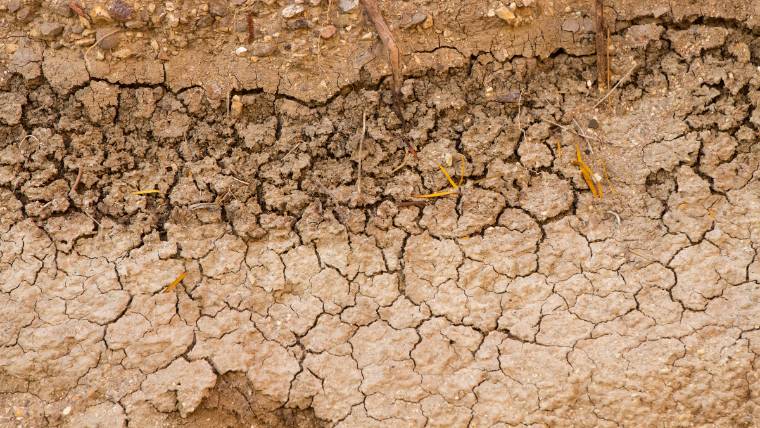 Environment
Soil pollution: what environmental impacts?
The extraction, manufacture and end of life of EEE have major consequences for soil quality. The impacts and the measures to limit them.
Read the article → Regulations
The RE2020: what developments are to be expected in France and Europe?
European EPBD, 2030 zero-emission objective, tightening carbon thresholds: the RE2020 developments to expect in France and Europe.
Read the article → Environment
Air pollution: what environmental impacts?
Greenhouse effect, acidification, tropospheric ozone, ozone layer, fine particles: the air impact indicators measured in LCA.
Read the article → Regulations
What technological solutions exist for carrying out an LCA?
LCA software, databases, flows: an overview of the technological tools to carry out a Life Cycle Assessment, and the Qweeko approach.
Read the article → Environment
All responsible in the face of the environmental transition!
Manufacturers, subcontractors, distributors, installers, consumers: every player in the EEE industry has a role to play in the transition.
Read the article →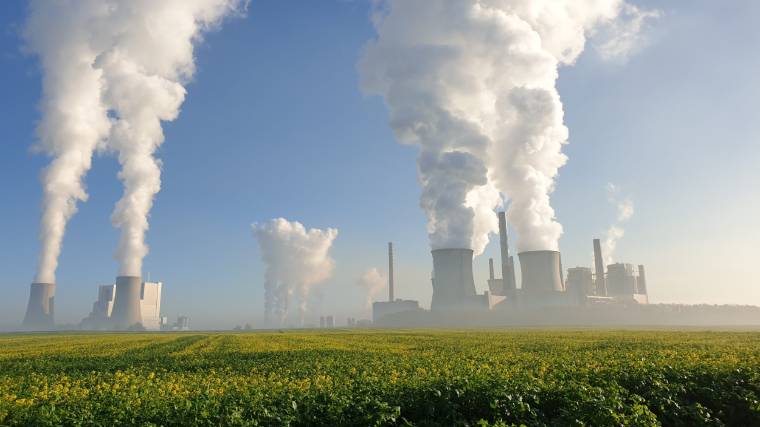 Regulations
Carbon Footprint vs. LCA: what are the differences?
The Carbon Footprint and product LCA are two distinct protocols. Qweeko clarifies their scopes, analysis criteria and complementarities.
Read the article → Regulations
How is a PEP produced?
The PEP is the environmental identity card of an EEE or HVAC product. Reference documents, indicators, report and verification: the 4 steps.
Read the article → Regulations
How is the RE 2020 deployed for EEE manufacturers?
Objectives, criteria, indicators, timeline and individual vs collective PEP: how the RE2020 is deployed for EEE manufacturers.
Read the article → Regulations
The RE 2020, what is it?
The RE2020 replaces the RT2012 and introduces the building LCA. What EEE manufacturers need to know to provide their PEPs.
Read the article → Regulations
ESPR, CPR, Digital Product Passport: what EEE manufacturers need to know in 2026
ESPR, CPR, DPP: the environmental obligations for EEE manufacturers and how to produce your LCAs, EPDs and PEPs to stay compliant.
Read the article →