
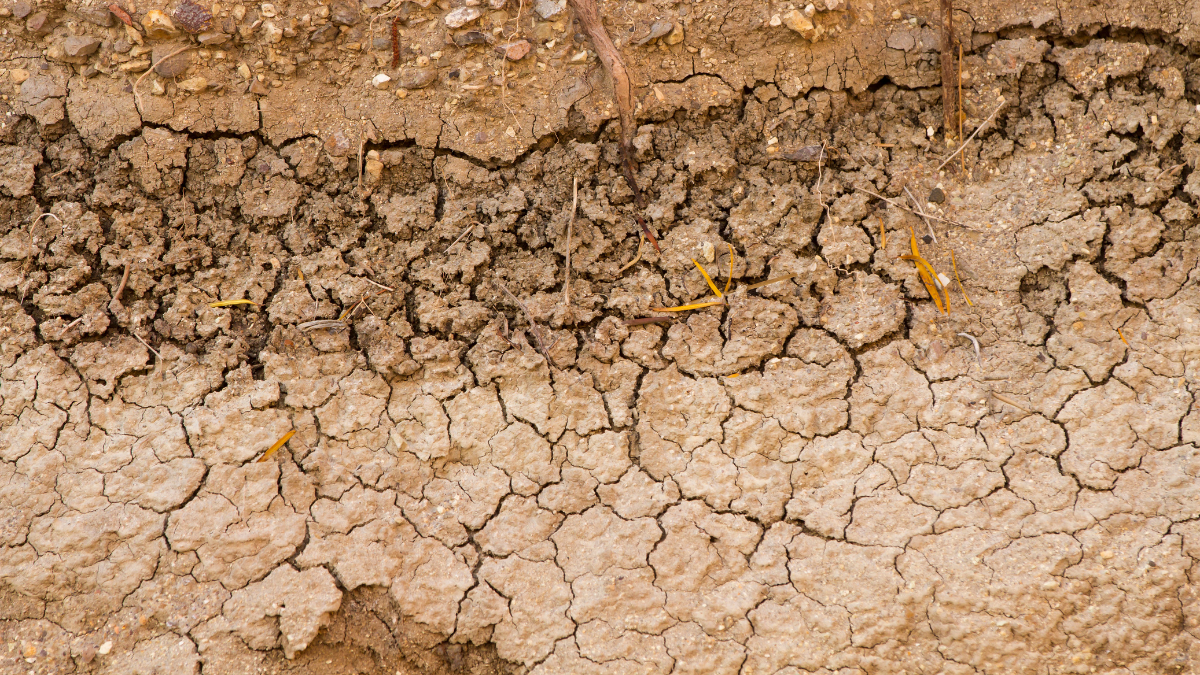
The environmental impact of the life cycle of electronic and electrical equipment (EEE) on the ground is a major challenge in our modern society. This equipment includes smartphones, computers, televisions, televisions, household appliances, lamps, batteries, among others. While these technologies provide numerous benefits, their production, use and disposal can have significant consequences for the environment, especially on soil quality.
Pollution from industrial activities prior to use
The risks caused by the extraction of raw materials
The life cycle of EEE starts with the extraction of the raw materials needed to manufacture them. This includes minerals such as copper, aluminum, lithium, cobalt, as well as rare earths. The extraction of raw materials has a significant impact on soils. When it comes to extracting minerals and metals, methods such as open pit mining or underground mining can result in risks of soil pollution.
First, the excavation and movement of soil during mining disrupts the natural layers and structure of the soil. This can lead to the loss of humus, which is an organic element that is essential for soil fertility. In addition, the heavy machinery and vehicles used in the extraction process can compact and compress the soil, which limits its ability to absorb water and nutrients.
In addition, mining often involves polluting chemicals such as explosives, solvents, and flotation agents, which can leach into the ground and pollute groundwater. Mine tailings, also known as waste rock, can contain toxic substances that end up in the soil and can cause long-term pollution. These chemicals and contaminants can degrade soil quality and have harmful effects on local biodiversity.
In addition, the deforestation required for mining can lead to a decrease in biodiversity and a loss of natural habitats. Tree roots are destroyed, exposing the soil to erosion caused by precipitation, thus reducing its fertility and its ability to support plant growth.
It is important to note that impacts on soils vary depending on the type of extraction of raw materials and the method used. For example, the extraction of shale oil and gas by hydraulic fracturing can also lead to harmful risks and consequences, in particular due to the groundwater contamination And of the Fragmentation of ecosystems.
The consequences of the processing and assembly of materials on soil pollution
Once the materials are extracted, they are transformed and assembled to form the components of electronic equipment.
The processing of raw materials often requires the use of chemicals such as acids, solvents, and heavy metals. When these chemicals are poorly managed or improperly disposed of, they can in particular be released into the soil, which can then be contaminated by these toxic substances, which can harm their fertility.
Additionally, circuit board manufacturing often involves the integration of corrosive chemicals and metals such as copper, tin, lead, and nickel. These metals can be released into the environment during the manufacturing process or during the inadequate management of electronic waste. When found in soils, these metals can persist for long periods of time and cause long term pollution.
In addition, EEE assembly activities can also generate solid waste, such as plastics, metals, and residual chemicals. If this waste is not properly managed, it can be dumped into landfills or incinerated, which can lead to pollution of the surrounding soil.
End-of-life management and soil pollution
Electronic waste containing dangerous and polluting substances, such as lead, mercury, and brominated flame retardants, can contaminate sites when poorly managed and improperly disposed of. Incinerations, uncontrolled landfills and informal recycling can release these pollutants into the environment, thus compromising soil quality and human health.
At the end of life, the management of electronic waste is crucial to minimize the impact on the ground. Proper recycling and treatment of EEE makes it possible to recover valuable materials and reduce the amount of waste sent to landfill. However, the practice of recycling electronic equipment is not yet widespread and many devices still end up in landfills or are exported to developing countries, where they are often handled in an environmentally unfriendly manner and where they represent significant health risks for surrounding populations.
What are the solutions to prevent soil pollution?
After a Life Cycle Analysis (LCA), it is imperative to implement measures at each stage to minimize the impact of the life cycle of electronic and electrical equipment on the degradation of soil health.
Of more sustainable extraction practices should be put in place. This may include the restoration of mining sites after they have been exploited, the implementation of techniques for waste management to reduce residues and pollutants, and the adoption of less destructive extraction methods, such as underground mining rather than open pit mining.
Reducing the impact of the life cycle of EEE on the ground includes promoting eco-design to reduce resource consumption and waste generation, establishing strict regulations on the management of electronic waste, improving the energy efficiency of devices, encouraging recycling and reuse, and raising consumer awareness and education.
Soil pollution in France and the measures put in place to limit it in the electrical and electronic equipment sector
In France, soil pollution linked to electrical and electronic equipment (EEE) remains a growing concern, in particular due to the accumulation of electronic waste containing harmful materials such as heavy metals, non-biodegradable plastics, and flame retardants.
Recognizing this challenge, the French government has put in place several initiatives to reduce the environmental impact of this equipment throughout its life cycle. La Anti-Waste Law for a Circular Economy (AGEC), adopted in 2020, imposes waste reduction goals and reinforces the responsibility of producers with regard to the ecological design and end-of-life management of goods placed on the market, aiming to limit the use of pollutants and facilitate recycling.
At the same time, EEE recycling channels, such as that of Ecosystem, ensure the collection and treatment of electronic waste on dedicated sites to limit their impact on soils. Finally, specific standards and restrictions regulate the use of certain chemical products in electronic components, in accordance with the European REACH regulation, aimed at preventing soil contamination by potentially toxic emissions.
These collective efforts, combined with the consumer awareness on the importance of recycling and waste reduction, are essential to limit soil pollution in France and promote a transition to a circular economy that is more environmentally friendly.
In conclusion, the impact of the life cycle of electronic and electrical equipment on the ground is an important challenge to be addressed. It is essential to rethink our consumption patterns, promote sustainable waste production and management practices, and encourage technological innovation focused on sustainability. By taking a holistic approach to life cycle analysis, we can work together to minimize negative impacts and maintain the health of our soil and environment.